Shia majority in parliament: A turning point on Iraq’s path to Independence, political stability
-
Iraqi parliamentary elections
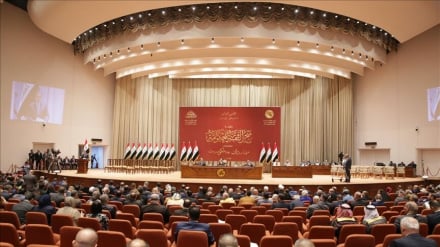
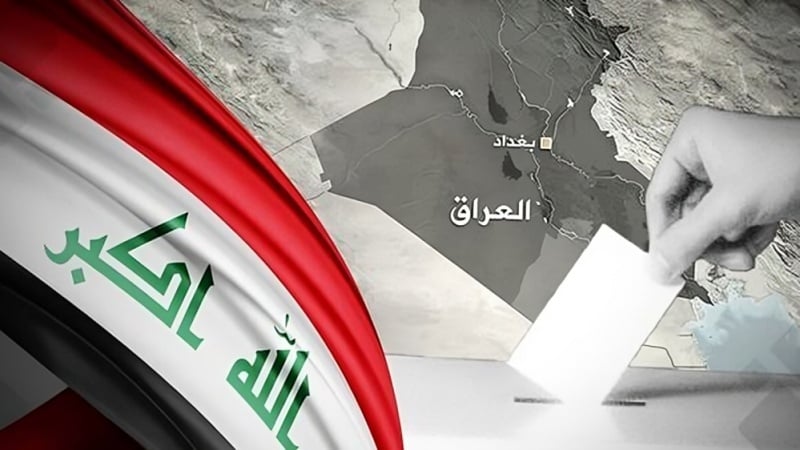
Pars Today – As the final results of Iraq’s parliamentary elections were announced, the political bloc known as the Coordination Framework—made up of all Shia parties and groups—officially established itself as the largest faction in the next parliament.
At a meeting of the Coordination Framework’s leaders, attended by Iraqi Prime Minister Mohammed Shia' al-Sudani, it was agreed that candidates for the position of prime minister for the next four years would be selected from within the coalition. Analysts view this decision as a sign of political cohesion among Shia factions and an important factor for internal stability.
According to the latest results from Iraq’s Independent High Electoral Commission, the major Shia coalition—known as the Coordination Framework—won 182 of the 329 parliamentary seats, giving it a clear majority. This majority provides the bloc with significant leverage in parliament, control over most cabinet positions, and places Sunni and Kurdish alliances in the next ranks.
In the sixth session of Iraq’s parliament, seven main lists representing Sunni political groups secured a total of 65 seats. Kurdish parties won a total of 59 seats.
The biggest absentee from this election cycle was the Sadrist Movement, which had won 73 seats—first place—during the 2021 parliamentary elections, but later withdrew from parliament due to political disputes and chose to boycott the current elections as well.
The Coordination Framework’s victory as the largest Shia list in Iraq’s recent elections carries major implications for the country’s political future. With a parliamentary majority, the coalition has the authority to nominate a prime minister and control a substantial portion of the cabinet. This allows Shiite parties to shape the government’s overall direction and influence both domestic and foreign policy.
The unity of Shia groups within a single coalition also signals a reduction of internal divisions and an increase in their bargaining power—an important factor for political stability in Iraq and a safeguard against the recurrence of past political crises.
Despite the Shia majority, forming a stable government requires cooperation with Sunnis and Kurds. Iraq’s traditional power-sharing arrangement—prime minister from the Shias, president from the Kurds, and speaker of parliament from the Sunnis—will continue.
The victory of the largest Shia list marks a turning point in Iraq’s broader political landscape. It not only grants Shia parties the power to choose the prime minister and control the cabinet, but—thanks to their improved internal cohesion—also strengthens Iraq’s political stability. The success of Iraq’s next government, however, will depend on cooperation among all three major groups (Shias, Sunnis, and Kurds) and on prudent management of the issue of foreign troop withdrawal.
One of the core priorities of the Shia bloc is the withdrawal of foreign forces—especially U.S. troops—from Iraq. Alongside Shiite factions, many nationalist and religious groups in Iraq also consider the removal of American forces a top priority. For Iraq’s political movements, the withdrawal of U.S. troops symbolizes national sovereignty and independence, affects internal stability and the government’s legitimacy, and directly shapes Iraq’s regional and international relations.
Members of parliament and political groups have emphasized that the Iraqi army and Popular Mobilization Forces (al-Hashd al-Shaabi) are fully capable of securing the country and that foreign military presence is unnecessary. The withdrawal of American forces is therefore seen as a national imperative for consolidating Iraq’s political independence.