Analysis | U.S. military withdrawal from Iraq’s Kurdistan Region
-
U.S. military withdrawal from Iraq’s Kurdistan Region
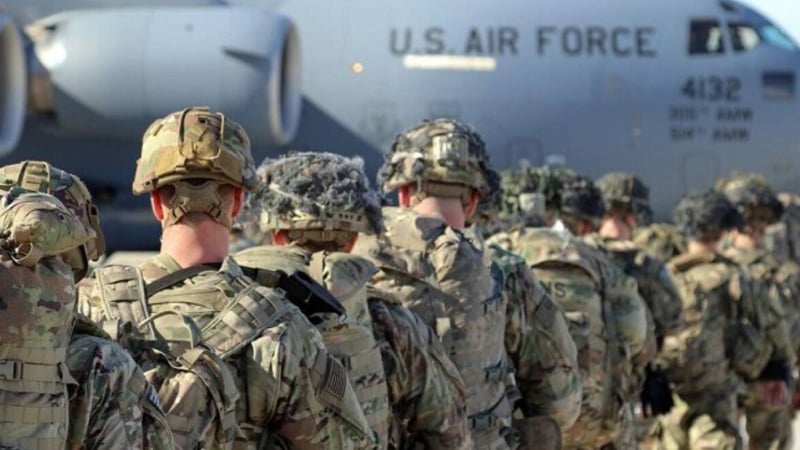
Pars Today – The U.S. military has begun withdrawing its remaining forces from Iraq, including troops stationed near Erbil International Airport in the Kurdistan Region. Patriot air defense systems have also been removed from the area.
According to Pars Today, the withdrawal of U.S. forces from Erbil, accompanied by the removal of Patriot missile defense systems, comes ahead of the September 30 deadline for the complete withdrawal of American troops from Iraq. The move carries significant strategic implications, particularly in light of Iran's large-scale attacks on the region.
Several factors appear to be driving the withdrawal:
1. Implementation of the Iraq–U.S. Bilateral Agreement
The primary and official reason is the implementation of the bilateral agreement signed between Baghdad and Washington in 2024. Under the agreement, the mission of the U.S.-led international coalition against ISIS in Iraq is scheduled to conclude by September 30, 2026, after which it will be replaced by bilateral security cooperation.
In July 2026, Donald Trump and Iraqi Prime Minister Ali al-Zaidi reaffirmed their commitment to this deadline. Trump said that, given the reduced military requirements, the United States no longer considered a military presence in Iraq necessary and that future relations between the two countries would focus more on economic cooperation.
2. Pressure from Iranian Attacks and the Vulnerability of Air Defense Systems
Although the withdrawal was planned under the bilateral agreement, the intensity of Iran's attacks against Kurdish separatist groups in Iraq's Kurdistan Region, as well as strikes targeting U.S. personnel and facilities, appears to have accelerated the process.
According to the report, since February 28, 2026, when it says the United States and Israel launched military operations against Iran, Iraq's Kurdistan Region has been targeted by nearly 1,000 missiles and drones. The report claims these attacks killed dozens of members of armed Kurdish groups and Western military personnel, while injuring more than 150 others.
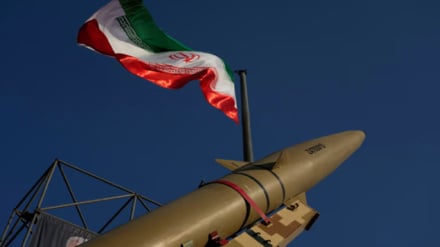
According to some reports, including those cited by Press TV, Iran's precision strikes destroyed Patriot air defense systems deployed in Erbil. The report argues that the direct targeting of the Patriot systems—among the United States' most advanced and expensive air defense assets—represented a significant military development, suggesting that the systems were unable to provide complete protection for U.S. forces and installations and had themselves become strategic targets for Iran.
The report concludes that these developments influenced Washington's decision to withdraw military equipment and personnel from the area.
3. Strategic reassessment and shifting priorities
Amid a shortage of Patriot interceptor missiles—claiming that approximately 55% of U.S. stockpiles had been depleted by April 2026, with a further 10% reduction in the following months—Washington likely concluded that protecting Harir Air Base near Erbil was a lower priority than safeguarding its military installations in the Persian Gulf states and Jordan.
Citing an unnamed informed source, the report states: "Iraq's Kurdistan Region is not the priority; the Persian Gulf and Jordan are clearly the priorities." It says this reflects a broader strategic reassessment of how U.S. air defense resources are allocated across the region.
According to the analysis, the withdrawal of U.S. forces and Patriot air defense systems from Iraq's Kurdistan Region has significantly weakened the area's air defense capabilities. It claims that the Patriot systems and Britain's Rapid Sentry system—which it says had intercepted around 75% of incoming missile and drone attacks—have been removed and replaced only by the more limited C-RAM system.
The report argues that, without these air defense systems, the bases of Kurdish armed groups in Iraq's Kurdistan Region would become considerably more vulnerable to future Iranian strikes.
The U.S. withdrawal from Iraq's Kurdistan Region is the result of the combined effect of official factors (the agreement with the Iraqi government) and practical realities (Iran's military pressure). Although a framework for the withdrawal had already been established under the agreement, Iran's unprecedented attacks and the vulnerability of advanced air defense systems showed that maintaining the U.S. military presence in the region involved growing costs and strategic risks. This demonstrates how fragile and unsustainable reliance on the United States for so-called security truly is.