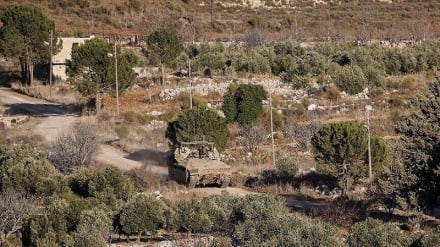
Turkish offensive displaces 167,000 in Syria's Afrin: UN

The UN has warned that 167,000 people have been displaced in Syria's northwestern Kurdish region of Afrin since Turkey launched its offensive against the enclave.
According to Press TV, on Friday, the UN warned that the new massive influx of refugees is posing health risks to the host communities in the surrounding area and villages.
The vast majority of refugees have fled from Afrin to the towns of Tal Rifaat, Nubul and Zahraa.
According to the UN children's fund, UNICEF, nearly 100,000 still remain in Afrin region, nearly 50,000 to 70,000 of whom are in the city of Afrin, the main population center of the region.
In Nubul and Zahraa, people are sheltered in collective shelters in schools, mosques or stables with the lowest level of access to health services, UNICEF said.
The nearest medical facility is an insufficiently equipped field hospital three kilometers away. Those who need to go to a hospital in Aleppo, nearly 25 kilometers away, need to obtain special authorization.
On Thursday, Syria's antiquities department said Turkish airstrikes against the area have damaged the ancient Christian heritage site of Brad south of Afrin.
The UNESCO world heritage site includes many Byzantine churches and monasteries as well as tombs dating back to the Roman period.
The airstrikes have destroyed many important archaeological sites, including the tomb of Saint Maron of the Maronite community, which is considered as one of the most beautiful pages of the history of Christianity, as well as the 4th century Julianus Church, which is one of the oldest Christian churches in the world, the head of Syria's antiquities department, Mahmoud Hamoud, noted.
The Syrian official had earlier voiced concern over the fate of 40 ancient villages in the Afrin region, which UNESCO calls "Ancient Villages."
SS