Why China, India, and Pakistan voted against UNHRC anti-Iran resolution
-
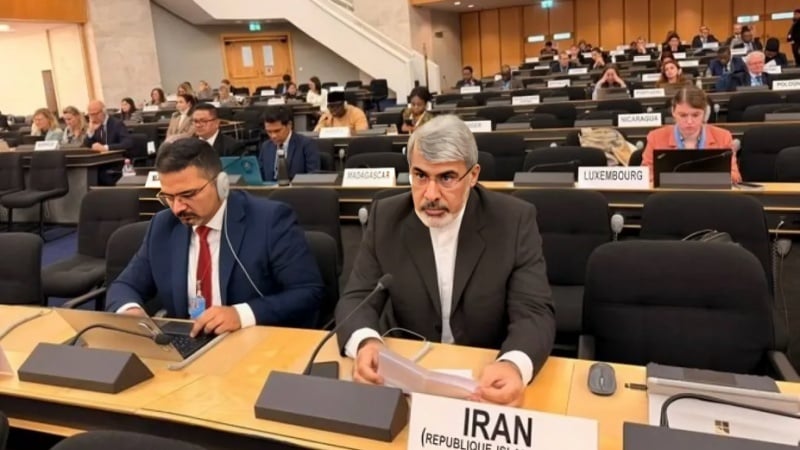
Ali Bahraini, Iran’s Representative at the UN Human Rights Council
Pars Today – China, India, and Pakistan voted against the anti-Iran resolution at the UN Human Rights Council.
According to Pars Today, during the vote on the resolution proposed by Western countries against Iran, three members of the Shanghai Cooperation Organization—China, India, and Russia—voted against it. These countries, emphasizing the principle of non-interference in the internal affairs of states, expressed concerns about the politicization of human rights mechanisms. Media outlets in these countries reported that their negative votes were intended to uphold balance, dialogue, and respect for national sovereignty.
The negative vote by China, India, and Pakistan on the anti-Iran resolution at the UN Human Rights Council on January 23, 2026, cannot be seen merely as a simple diplomatic stance. This decision reflects a combination of geopolitical considerations, foreign policy principles, shared concerns over Western double standards, and these countries’ perspectives on Iran’s role in regional and international affairs. Despite strategic differences, all three nations converge on one point: opposition to the politicization of human rights and the instrumentalization of international institutions to pressure independent states.
China has long opposed the Western approach of using human rights as a tool for political pressure. Beijing believes that human rights should be considered within the framework of respect for national sovereignty, internal stability, and each country’s cultural context. China itself has often been the target of similar resolutions, which has made it wary of the hidden motives behind such actions.
From Beijing’s viewpoint, the anti-Iran resolution is not an effort to protect human rights but part of a broader Western strategy to pressure a country unwilling to conform to the U.S.-preferred global order. Moreover, China maintains extensive economic and strategic relations with Iran and considers Iran’s stability vital for major projects such as the Belt and Road Initiative. Therefore, China’s negative vote represents both a defense of its foreign policy principles and support for an important regional partner.
Despite its close ties with the West, India has in recent years sought to pursue a more independent foreign policy. New Delhi is well aware that accepting politicized resolutions could be used against India in the future, particularly on sensitive issues such as Kashmir, domestic protests, or dealing with extremist groups.
India also views Iran as a key player in regional energy security and transit routes. Projects like the Chabahar Port hold significant geostrategic importance for New Delhi, and instability in Iran could directly threaten India’s national interests.
By casting a negative vote, India demonstrated that it is unwilling to participate in the West’s pressure campaign against Iran, especially when there is insufficient evidence of the resolution’s neutrality. In recent years, India has largely refrained from supporting resolutions related to human rights in Iran, reflecting the core principles of its foreign policy.
New Delhi consistently views interventionist investigative mechanisms and such resolutions as politicized and contrary to the principle of non-interference in the internal affairs of sovereign states. Within this framework, Iran’s ambassador to India welcomed New Delhi’s stance, describing the move as a reflection of India’s commitment to justice, multilateralism, and respect for national sovereignty.
Pakistan also opposed the resolution for reasons different but aligned with those of China and India. Islamabad has consistently criticized Western double standards on human rights, particularly given that Pakistan itself has frequently been targeted by similar pressures.
In recent years, Pakistan’s security and economic ties with Iran have strengthened, with both countries sharing common interests in border management, counterterrorism, and regional cooperation. Pakistan is also concerned that the politicization of human rights could become a tool for interference in the internal affairs of regional countries—a trend that could threaten South Asian stability. Islamabad’s negative vote was, in effect, a clear message that the country opposes any unilateral or biased actions against its neighbors.
Overall, the negative vote by China, India, and Pakistan on the anti-Iran resolution reflects a combination of foreign policy principles, concern over Western exploitation of international institutions, and the strategic importance of Iran in regional affairs. Despite their differences, all three countries agreed on one key point: human rights should not be used as a tool for political pressure or to weaken independent states.