Iran's missile program not open to negotiation: Official
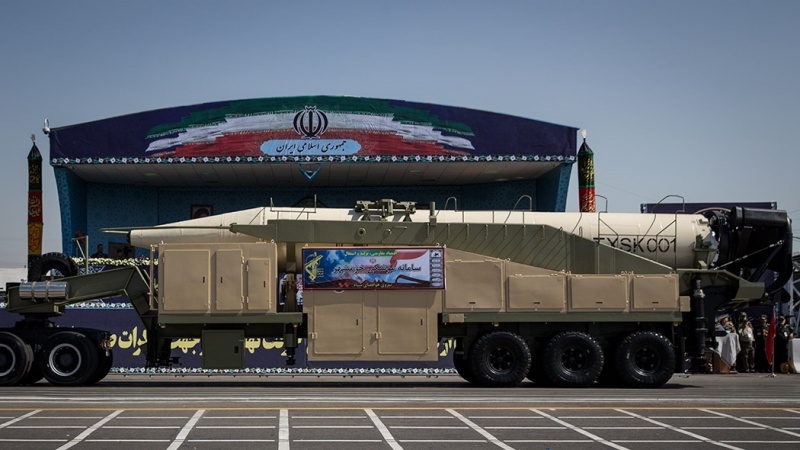
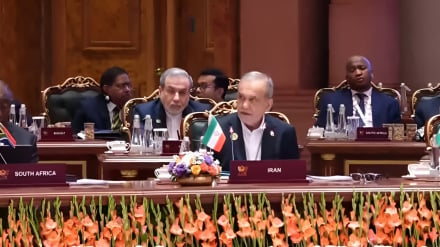
Iranian Deputy Ambassador to the United Nations Es’haq Al-e Habib says the country’s missile program is not open to negotiation and will continue with strength and according to the Islamic Republic’s national defense agenda.
According to Press TV, speaking at a UN committee on Monday, Al-e Habib added that Iran's missile program was only meant for defense and deterrence and accuracy of its missiles was proportionate to threats faced by the country.
“Iran’s missile program has been designed to meet the country’s defensive and security needs and it is impossible to make any comment about it without taking our security environment into consideration,” he said.
He pointed to executed Iraqi dictator Saddam Hussein’s imposed war against Iran in 1980s and said this experience taught Tehran that it must rely on its national potentialities in order to guarantee its dependence and security and that it should not hesitate about developing the necessary potentialities to meet its needs in defense and security sectors.
Further in his address, the Iranian diplomat pointed to certain claims that the country’s ballistic missile tests were in violation of UN Security Council Resolution 2231 and noted that the resolution called on Iran not to carry out any activity related to ballistic missiles capable of carrying nuclear weapons.
“Iran has always emphasized that none of its ballistic missiles have been designed to carry nuclear weapons,” Al-e Habib pointed out.
Elsewhere in his remarks, the Iranian diplomat stated that military expenses of the Middle East countries had increased by 19 percent from 2007 to 2016, adding, “During the same period, Iran’s military expenses increased only by 7.3 percent.”
SS