Nationwide strike against Trump’s immigration policies; U.S. shaken by public protests
-
Nationwide strike against Trump’s immigration policies
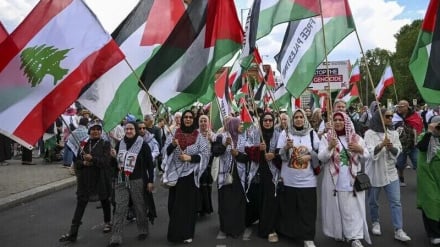
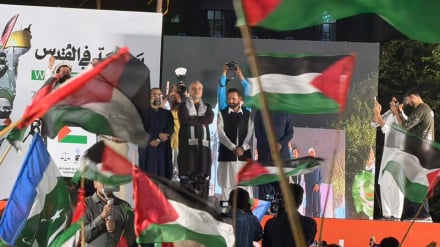
Pars Today – In recent days, major U.S. cities have witnessed another widespread wave of public protests against the strict immigration policies of the Donald Trump administration. These demonstrations, marked by the closure of schools, workplaces, and shopping centers under the slogan “National Shutdown,” reached a peak and became a symbol of the deep social and political divide in the country.
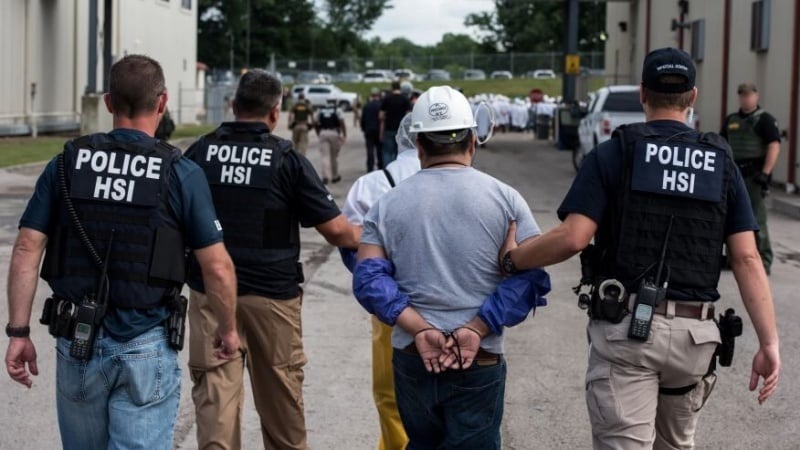
In recent weeks, the Trump administration’s immigration policies and the expanding powers of U.S. Immigration and Customs Enforcement (ICE) have sparked widespread public dissatisfaction across states and cities. From Minneapolis to New York, and from Los Angeles to Washington, D.C., streets have once again become the scene of protests against what is described as the “systematic repression of immigrants.”
“National Shutdown” in protest of immigration-related violence
Protesters declared January 30 as a “National Shutdown” and called on citizens to show solidarity with immigrants by closing businesses, schools, and shopping centers. The call was supported by hundreds of civil, student, and human rights organizations, with many businesses across cities turning into temporary shelters and aid centers for demonstrators.
The main slogans of the gatherings opposed funding for Immigration and Customs Enforcement (ICE) and condemned practices such as warrantless detentions, family separations, and the use of deadly force against protesters.
Minnesota: Epicenter of the crisis
In recent weeks, the state of Minnesota has become the main center of protests, where the deployment of over 2,000 federal agents—part of what the U.S. Department of Homeland Security called the “largest immigration operation”—has further heightened tensions.
The deaths of two U.S. citizens, Reni Nicole Good and Alex Preti, at the hands of immigration officers have fueled public outrage even more. The U.S. government claims that the agents were “acting in self-defense” in both incidents—a claim strongly rejected by the victims’ families, civil rights activists, and local officials.
Protests extend beyond immigration
Political observers believe that the Trump administration’s focus on Minnesota goes beyond immigration issues. The filing of corruption charges against part of the state’s Somali-American community, combined with the president’s harsh and sometimes derogatory rhetoric, has intensified racial and social divisions. Both the governor and the mayor of Minneapolis have described the federal government’s actions as “an attack on the local community” and emphasized their support for immigrants and residents.
Political consequences for Trump
The continuation of nationwide protests, alongside a decline in Trump’s popularity in polls, has turned this issue into a political challenge for his administration. Analysts argue that ongoing violence and disregard for public demands could have serious repercussions for Trump, especially ahead of upcoming electoral contests. The current protests have once again confronted the U.S. with serious questions about human rights, the rule of law, and the government’s treatment of minorities—questions whose answers could shape the country’s political trajectory.