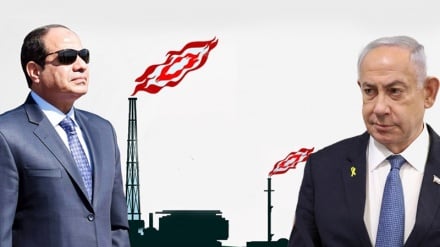
Egyptians brace for hard times amid austerity measures

Egyptians are looking at a period of hardship as the government unrolls austerity measures including a floating pound that has drastically depreciated the currency and raised prices, analysts say.
According to AFP, the measures, in return for a $12 billion IMF loan, had been avoided by governments fearing unrest, but President Abdel Fattah al-Sisi says Egypt no longer has the luxury of postponing them.
Last week's Central Bank decision to float the pound, amid a dollar crunch that led to a thriving black market and a slump in imports, caused its value to plunge from 8.89 to the dollar to about 16.
The drastic move, welcomed by creditors and investors, was followed with a fuel price increase.
Analysts say there was no alternative to the tough measures, after years of unrest battered the economy and drove away tourists and investment.
But the quick succession of measures will spike prices, said Omar el-Shenety, head of Multiples Group investment bank.
"Inflation may rise to 20 percent, or a little less, over the next year and a half," he said, up from 14 percent this year.
American University in Cairo economics professor Amr Adly said the measures could deepen the impact of an economic crisis caused by the dollar shortage while increasing inflation.
Egyptians are already reeling, after months of experiencing shortages of products ranging from sugar to baby formula.
On Sunday, the Al-Mal economic newspaper reported that the prices of vegetables and fruits had seen a "record jump", quoting an official saying transport prices had risen up to 40 percent.
The government has said there would be an increase in prices but it would conduct inspections to ensure traders were not drastically raising them.
It also announced a seven percent salary increase for civil servants, who number about six million out of a total population of more than 90 million.
SS