Norouz; Festivity of Creation (4)
Apr 01, 2017 17:35 UTC
Today, we become familiar with Norouz Festivity traditions in other nations.
The spring arrives. Breeze spreads the scent of apple blossoms and daffodils of the city of Shiraz across plains and mountains. You take a deep breath, and immerse yourself in the freshness of New Year days. The time has come for the rebirth of nature.
Spring is the festivity of the world of creation and the day of happiness of heavens. It is the festivity of blossoms and rebirth.
Spring is a seasoned traveler. Listen. Can you hear its stories? This passenger is bound to leave soon. Upon a blink of an eye, the time comes for the departure of this traveler. Make the best of moments, and contemplate in the universe. The planet is filled with fervor in the spring season. The scent of spring is a reminder of God Almighty. Spring is a divine gift for our soul. This divine gift brings about a mystical and emotional fervor. Spring is a divine gift bestowed on the disillusioned mankind which guides him to the righteous path. Spring marks the beginning of a journey toward God Almighty.
People in the domain of Iran’s civilization, from India to Central Asia, have observed Norouz Festivity as of ancient times. This spiritual festivity was recognized as a valuable global heritage by the United Nations in the year 2010, and March 21 was named as the International Day of Norouz. Currently, this festivity is observed in Iran, Central Asia, Caucasus region, and other Middle Eastern countries; raising an opportunity for the entire international community to become further familiar with the deep-rooted culture of Norouz. Every year, this festivity grants hope to millions of people on the planet. This year, among different countries which hold Norouz Festivities, Tajikistan hosts this international festivity. Today, we brief you on the customs and traditions of Norouz among different nations to once again realize the cultural grandeur of Norouz across the world.
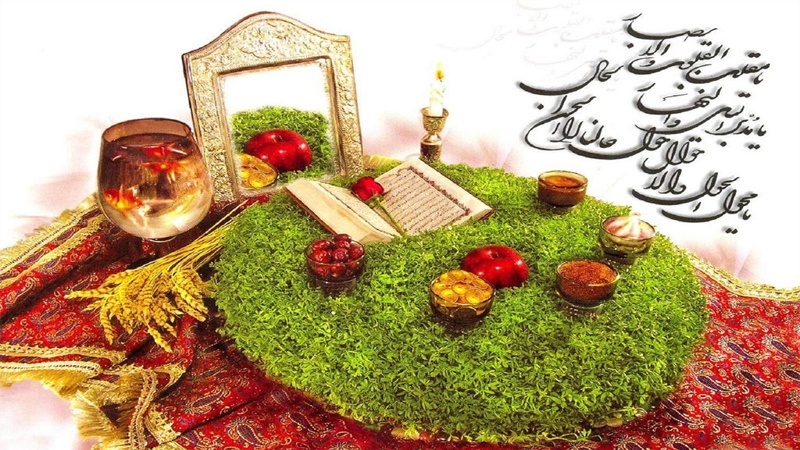
Norouz festivities maintain an especial status among the kindhearted and Farsi-speaking people of Tajikistan. Tajiks refer to Norouz as the Great Eid. Preparation for Norouz in Tajikistan begins a few weeks prior to the start of New Year. A week prior to Norouz in Tajikistan, children felicitate people upon recitation of a number of poems. In this ceremony, children take flowers to homes of their acquaintances; with the house owner welcoming them and presenting them souvenirs. Tajiks also clean their homes, cook confectionaries and a diverse range of dishes; while preparing the Haftsin Tablecloth. Also, in the early days of spring, people of Tajikistan attend the main city squares and parks to take part in a number of completions such as local wrestling matches.
Eid-e Norouz is one of the main festivities of people of Republic of Azerbaijan. Norouz ceremonies usually begin in this country a month prior to New Year. The people of this country celebrate four Wednesdays within the last month prior to spring, by staging a number of especial ceremonies. Every one of these Wednesdays, people of Azerbaijan Republic convene ceremonies in line with their beliefs. Painting eggs, preparation of cookies, purchase of new clothes; and performance of plays and shows are some of the customs and traditions of people of Azerbaijan Republic throughout Norouz.
Based on the history and culture of Afghanistan, Norouz is the symbol of life, nature, and human values, which are deep-rooted in the poetry, literature, arts, folklore, and familial and social traditions of this country. People of Afghanistan, in different cities and villages, welcome Norouz via observing especial ceremonies. To commemorate this day, they wear new clothes, displaying a wide range of tasty sweets and meals, and preparing Haftsin Tablecloth, while engaging in outdoor recreational activities at the heart of nature, such as wrestling matches, performance of local dances and songs.
People of Kazakhstan believe that Norouz is concurrent with vernal equinox, and on this day, joy is established on the planet. Kazakhs believe that tidiness of their homes on the verge of the New Year saves their residents from illnesses and ill fate.
Norouz is sacred for people of Kazakhstan and if it rains or snows on this day, they consider it as good omen, believing that a promising year is ahead of them. In the Eid-e Norouz, Kazakhs wear neat, white garments, which are the symbols of joy. They pay a visit to their relatives and associates on this auspicious occasion. They also cook a meal which is made of seven ingredients; thereby bidding farewell with the winter and dishes they prepare in the winter season. They also hold competitions in the New Year holidays.
Large numbers of people in northern Pakistan also observe Norouz, which is coupled with especial religious and national ceremonies. The people of this region welcome the New Year via hoisting colorful flags, and observing poetry sessions. On this day, they prepare the New Year tablecloth and wear their best clothes. They pray to God and recite Holy Quran, visit their relatives, and present souvenirs and money to children.
Dear listeners, Eid-e Norouz is also held in other countries, such as Turkmenistan, Turkey, India, Zanzibar, and many other nations.
The existence of nations throughout history is indebted to the desirable cultures and traditions that have taken shape within different phases of time and have turned into a national ceremony. A prime example of nations, who have maintained the symbols of their civilization and culture throughout the course of history, is Iran.
Norouz Festivity is one of the main pillars of unity and solidarity of all Iranians in different parts of the world, and a reminder of the identity and culture of this nation. Norouz ceremonies and traditions influence every Iranian and shape prominent traits in the Iranian community; the most important of which is liveliness. The joy of people is evident in Norouz, which captures the attention of every newcomer. One of the other outcomes of Norouz ceremonies is the reinforcement of national and cultural identity of Iranians with the aid of cultural traditions and elements. Eid-e Norouz is a highly important and valid cultural and social element of Iranians. Furthermore, in the contemporary era, in which the enemies of Islamic Iran are intent on causing sectarian strife, and ethnical prejudices, Norouz is honored as a unifying and effective element by all ethnicities and religions. Thus, Eid-e Norouz highly contributes to national convergence and reinforcement of national and cultural identity.
The market burgeons on the verge of Norouz Festivity. This tradition reinforces economic relations within the community and enhances the livelihood of many Iranians.
Furthermore, the New Year holidays raise an opportunity for traveling. These journeys in addition to leaving personal positive impacts play valuable roles in reinforcement of the national tourism industry. Presence of tourist attraction sites in all regions of Iran has set the stage for development of this profitable industry; which in turn results in economic growth; and creation of jobs in even the remotest regions of Iran.
A purposeful individual is vibrant and maintains peace of mind. This happiness assists the individual in development of his social relations, and reinforces his social interactions. A lively individual easily connects with others, who mutually feel at ease in their interactions with the lively person. Furthermore, people in interactions with lively individuals, attain a sense of inner and spiritual content that further cement such bonds. The purposeful and faithful individuals enjoy and appreciate divine blessings and benefit from divine blessings for advancement of their goals.
The great contemporary thinker, Martyr Morteza Motahari, notes: “Mankind innately seeks prosperity and upon visualization of attainment of prosperity is immersed in joy. In contrast, mankind is shaken out of fear of an ominous and gloomy future. At this point, religious faith reassures the individual, granting him peace of mind, and keeping anxiety at bay.”
The spring has arrived. The colorful nature, in addition to cheering us up, reminds us of the purposefulness of the world.
MR/SS
Tags