Find out more about the Islamic Revolution (21)
Mar 16, 2019 16:59 UTC
Welcome to this week's episode of the series "Find out more about the Islamic Revolution".
Iran's Islamic Revolution can be named as the last social revolution of the 20th Century. The Islamic Revolution resulted in changes in values, norms, and outlooks, and a change in the power structure. Iran's Islamic Revolution maintained important and clear differences to other major global revolutions such as the French and Russian revolutions.
One of the most important differences is that major revolutions such as the French and Russian revolutions took place while no foreign power supported these two countries' regimes. However, Iran's Islamic Revolution took place while the former Pahlavi despotic regime was supported by Eastern and Western superpowers. The former Pahlavi dictatorial regime considered and defended US interests. The Iranian people, upon staging the Islamic Revolution, ousted the former despotic Pahlavi regime and put an end to decades of presence of Western colonial powers in Iran; which is one of the most significant differences of Iran's Islamic Revolution with other major revolutions, round the world.
One of the other points that distinguishes the Islamic Revolution from other major revolutions round the world is that in emergence of other revolutions, the economic factor played a pivotal role. However, the economic factor did not play an important role in the emergence and culmination of the Islamic Revolution. The Islamic Revolution took place while due to oil price hike, the country's economic revenues were in good conditions. The role that economic factor played in the Islamic Revolution was mainly due to unjust distribution of wealth within the country. The Iranian researcher, Mohammad Hussein Panahi, states that mottos revolving round economy, only comprised 6% of the slogans which were chanted by the Iranian people throughout the demonstrations against the former Iranian dictatorial regime. This fact goes to show that the Iranian nation mainly maintained religious demands.
One of the other factors which distinguished Iran's Islamic Revolution from other major revolutions across the world was that the Islamic Revolution, in addition to being a cultural revolution, led to the establishment of a new form of ruling system in the global order. The French revolution was a cultural revolution, resulting in liberalism. The Russian revolution was an economic revolution, leading to socialism. Iran's Islamic Revolution was a cultural revolution, resulting in new form of ruling system.
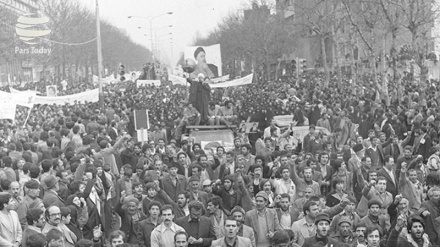
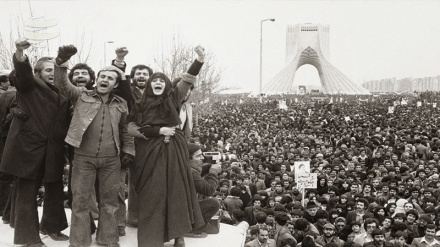
The rate of participation of people was another fact which distinguished Iran's Islamic Revolution from other major revolutions across the world. Masses of people did not take part in French and Russian revolutions. In the French revolution; all people from different walks of life were not present in the uprising, and in the Russian revolution, laborers were present in the scene more than any other stratum in the community. However, the entire Iranian nation, from all walks of life, took part and contributed to the emergence and victory of Iran's Islamic Revolution.
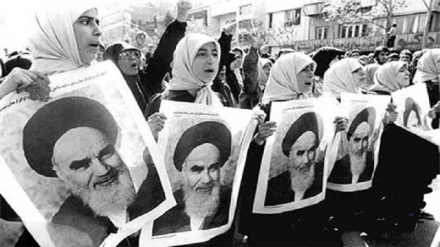
Presence of a resolute leader, approved by the entire Iranian nation, was another fact, which distinguished Iran's Islamic Revolution from other major revolutions, across the globe. One of the other facts, which distinguished Iran's Islamic Revolution from other main revolutions, worldwide, was the prominent role which the divine religion of Islam played in the emergence and culmination of the Islamic Revolution. This is while religion did not play a role in any other revolution across the world. Religion unified the Iranian nation against the former Pahlavi despotic regime, proving the former Pahlavi dictatorial regime's lack of understanding of the religious identity of the Iranian nation. Religion resulted in the leadership of the Islamic Revolution by clerics within the Iranian community, and religious leaders, especially the Father of Islamic Revolution, late Imam Khomeini (God's mercy upon him), were warmly welcomed by the Iranian people.
Another parameter which distinguished Iran's Islamic Revolution from other major revolutions was the principle of independence. In fact, one of the most important differences of the Islamic Revolution with other revolutions, across the globe, was that the Islamic Revolution led to Iran's independence, which was a main factor in the enmity of superpowers against the Islamic Republic of Iran. Prior to emergence and culmination of Iran's Islamic Revolution, Iran was clearly under the domination of Western powers; and superpowers were the ones who defined and elaborated Iran's policies in the domestic and foreign arenas.
The other difference of Iran's Islamic Revolution with other revolutions is related to the goals of these revolutions. Revolutions such as the French, Russian, and Chinese revolutions maintained material goals, and paid no attention to religious aims. This is while Iran's Islamic Revolution, in addition to focusing on ending deprivation and corruption; institutionalized non-material goals such as monotheistic outlook, and belief in Hereafter, Day of Resurrection, and religious principles within the Iranian community.
MR/SS
Tags