Find out more about the Islamic Revolution (22)
Mar 23, 2019 04:14 UTC
Welcome to the last episode of the series "Find out more about the Islamic Revolution". Today, we sum up the previous discussions.
In general, Iran's Islamic Revolution has influenced the social sciences' theories about revolutions in two ways. Firstly, the Islamic Revolution has adjusted the theories of a number of theorists, and secondly it has included the cultural element in a number of theories about revolutions.
Theda Skocpol is one of the best known theorists, whose theory on revolutions has been impacted by Iran's Islamic Revolution. Prior to the emergence and culmination of the Islamic Revolution, this theorist argued that revolutions are mainly rooted in economic and structural reasons. The occurrence of Iran's Islamic Revolution prompted this theorist to adjust the uni-dimensional economic outlook toward revolution, and led this theorist to describe Iran's Islamic Revolution as a revolution which took place due to awareness of the Iranian nation. This theorist focused on the role of Shia School of Thought and the prudent leadership of the Father of Islamic Revolution, late Imam Khomeini (God's mercy upon him) in the emergence and victory of Iran's Islamic Revolution.
One of the most important impacts of the Islamic Revolution on theories about revolutions is the inclusion of the cultural element in these theories. Numerous theories, under the influence of the Islamic Revolution, focused and studied the especial role of culture and religion in formation of revolution, including Iran's Islamic Revolution.
Michel Foucault is one of the theorists, who paid especial attention to Iran's Islamic Revolution and the role of culture and divine religion of Islam in the occurrence of Islamic Revolution. In his view, Iran's Islamic Revolution did not take place based on economic and materialistic motivations. He pointed out that no parameter other than religious beliefs was capable of mobilization of masses of people in Iran. He underlined that the Iranian nation, as the result of their Islamic beliefs and the wise and prudent leadership of the Father of Islamic Revolution, late Imam Khomeini (God's mercy upon him) forced the fully-armed Pahlavi despotic regime to surrender.
Nikki Keddie is another theorist on revolutions which has highlighted the significant and paramount role of the clerics in mobilization of masses of people in Iran throughout the Islamic Revolution which led to the ouster of Pahlavi despotic regime. He attaches importance to the role of Ulema in political power throughout Iran's history.
Professor Hamid Algar also maintains a religious outlook toward Iran's Islamic Revolution and believes that Islamic Revolution is rooted in religious principles.
John Esposito is an American theorist and professor of George Town University in Washington who has authored numerous articles about Iran's Islamic Revolution. He underscores that Iran's Islamic Revolution is rooted in Shia teachings and ideals. He reminds that Iran's Islamic Revolution is based on Shia ideology, while adding that Iran presented the first successful Islamic political revolution to the world.
The other American theorist, Michael Fischer, also points out the significant role of culture and religion in Iran's Islamic Revolution, while adding that the Islamic Revolution was inspired by the epic of Ashura, in which the Third Infallible Imam of the Prophet of Islam's Household, Imam Hussein (AS) and his 72 steadfast companions courted martyrdom in their confrontation with Yazid's ungodly troops in the land of Karbala.
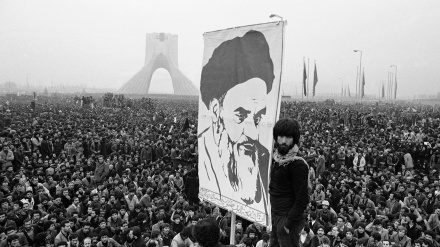
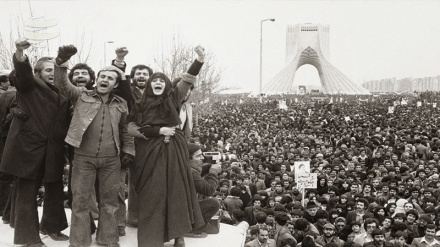
The Irish theorist, Fred Halliday, has referred to Iran's Islamic Revolution as the most modern revolution throughout the course of history, while presenting a number of reasons to prove his view. He notes that the Father of Islamic Revolution, late Imam Khomeini (God's mercy upon him), through his keynote religious remarks, unified and mobilized religious and nationalist forces against Pahlavi despotic regime. He also reminded that the Iranian people staged the largest demonstrations of the history of mankind against Pahlavi despotic regime.
The Iranian theorist, Ali Mirsepassi, who resides in the US, notes that Iran's Islamic Revolution marked the failure of secularism in Iran, while referring to the religious nature of Iran's community and the superiority of the Islamic role model as the main reasons behind the failure of secularism in Iran.
MR/MG
Tags