Iran rejects Turkey excuse with warning, expects gas flow to resume
An Iranian energy official says he expects Turkey to resume gas imports from Iran by mid-July, putting an end to a relatively long gap which raised many eyebrows.
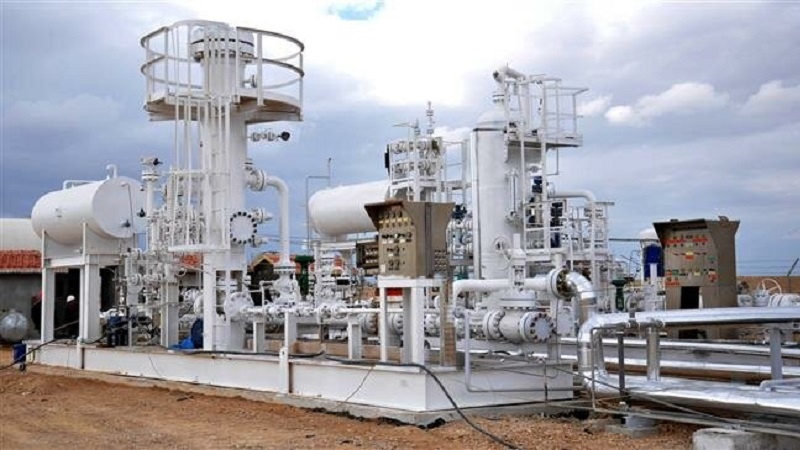
The gas flow has stopped since March 31 when an explosion blew up the pipeline through which Iran sells about 10 billion cubic meters (bcm) a year of gas to Turkey under a 25-year supply deal signed in 1996.
The pipeline has been the target of frequent attacks by PKK terrorists, but Turkey’s apparent vacillation on repairing the damaged section has surprised Iran.
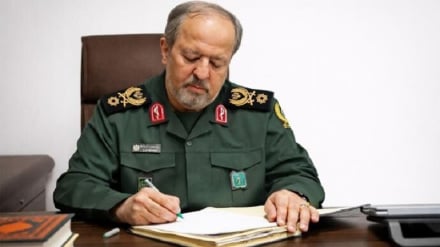
Interim caretaker of the Iranian Gas Transmission Company Mehdi Jamshidi-Dana said that Turkey is not receptive to Iran’s readiness to repair the pipeline.
Jamshidi-Dana, who was the former director for dispatching at state-owned National Iranian Gas Company, also dismissed Turkey’s characterization of the pipeline explosion as a force majeure event which excused the country from paying for gas not taken during the halt.
"Iran has announced in writing that it does not accept this is a force majeure event. In several correspondences, we said Iran is ready to repair this pipeline within eight days but the Turkish side didn't welcome that," he said.
Jamshidi-Dana hoped Ankara would not go to such lengths which might force Tehran to take the issue to international arbitration – mirroring Turkey’s own action in 2016 when it secured discounts for the gas supplied by Iran after going to a court of arbitration.
The official said "friendly relationship and professional acting by Turkey" would hopefully do away with such a need.
"We predict that the repair of the Iran-Turkey gas pipeline will end in the month of Tir (June 21-July 21) and gas flow will resume," he said.
Turkey is Iran’s biggest gas client and a major trade partner, which has balked at the United States’ unilateral sanctions on the Islamic Republic, but it also knows which side of its bread is buttered.
Iran’s Minister of Petroleum Bijan Zangeneh has confirmed that Turkey was not showing interest despite the Islamic Republic’s offer of help to repair the damaged section inside Turkish land.
According to S&P Global Platts, Turkey is delaying the completion of repairs to the gas pipeline in an apparent attempt both to curry favor with Washington and to pressure Tehran to further reduce its prices.
Turkey has taken 23 cargoes of US LNG already in 2020, compared with 13 for the whole of 2019 and just four in 2018, the commodity pricing agency said.
It imported 7.7 bcm of gas from Iran in 2019 or some 17% of its total gas imports, while their long-term contract allows Ankara to buy 9.6 bcm a year, the agency added.
SS