A journey into Isfahan’s culinary heritage where every bite tells a story
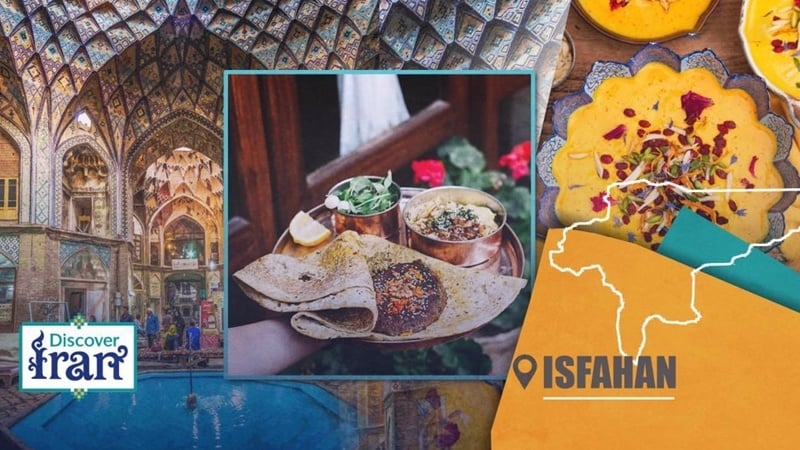
Pars Today – In Isfahan Province, located in central Iran, the dish Beryani tells a centuries-old story.
The golden color of the meat, the enchanting aroma of saffron and cinnamon, and the crispy Sangak bread served with fresh herbs, radishes, scallions, and aromatic greens create a sensory experience that goes beyond a simple meal. According to Pars Today, citing Press TV, Isfahan’s Beryani carries the city’s glorious history, its rich culture, and the enduring love of its people for the art of cooking.
Iranian foods have long reflected the country’s rich cultural heritage, showcasing the traditions, geography, and identity of its people. Among Iran’s culinary treasures, Isfahan stands out with its food traditions that have captivated visitors for centuries.
Fragrant herbs, hand-ground spices, and centuries-old recipes give travelers the opportunity to explore a city whose cuisine is as intricate and beautiful as its UNESCO-listed architecture.
Local flavors: A gateway to Isfahan’s culture
In Isfahan, food serves as a gateway to the city’s rich culture. Traditional dishes reflect the region’s geography and history—from the arid climate to trade routes that brought spices, herbs, and ingredients from across the Persian Empire. Hearty stews and richly flavored meat dishes, often served with fresh bread, define the city’s culinary identity and offer visitors an opportunity to experience local life in a deeply immersive way.
Today, the city’s foods are increasingly intertwined with creative tourism. Visitors participate in cooking workshops, observe traditional cooking techniques in local kitchens, and taste dishes prepared using centuries-old methods. This approach transforms food from a simple commodity into a rich cultural experience.
Markets: The pulse of Isfahan’s cuisine
In the alleys of traditional markets, spices are arranged in colorful mounds, the aroma of fresh bread rises from brick ovens, and vendors loudly offer samples of Beryani, Kookoo Qandi, and other treats.
Jolfa Market, located in the city’s historic Armenian quarter, is especially renowned for its fragrant products—from saffron and dried fruits to nuts and aromatic herbs—offering visitors a direct taste of Isfahan’s culinary heritage.
Hidden eateries along side streets serve traditional dishes such as Kaleh Joosh and Yakhmeh-Torsh. These meals, now rarely prepared in Iranian homes, provide tourists with an authentic experience of everyday life and Isfahan’s historic food traditions.
The spirit of Isfahan’s cuisine
Beryani is the hallmark of Isfahan’s culinary tradition. Prepared with ground lamb, saffron, mint, onions, and cinnamon, and garnished with nuts, it is typically served with Sangak bread and fresh herbs alongside a bowl of Abgoosht, a hearty lamb stew. This centuries-old dish, with its rich flavor and distinctive presentation, is a must-try for visitors.
Khoresh-e Mast is a cold dessert made from lamb, whipped yogurt, saffron, and sugar. Its unique blend of sweet and sour flavors contrasts with more typical Iranian desserts, offering a distinctive culinary experience.
Yakhmeh-Torsh
Yakhmeh-Torsh is a sweet-and-sour stew made from rice, lamb, apricots, quince, and sugar or date syrup. Traditionally believed to aid anemia and support bone health, this dish reflects centuries of culinary knowledge and medicinal wisdom. Its precise cooking process highlights the meticulousness and patience inherent in Isfahan’s cuisine.
Kookoo Qandi
Kookoo Qandi is a fragrant dessert based on potatoes, made with a combination of potatoes, eggs, rosewater, saffron, sugar, and lemon juice. It offers a delicate aroma and a nostalgic flavor.
Kachi Haft Dokhtaroon
A dessert rich in culture and legend, traditionally prepared by seven girls on Tuesdays as part of a ritual. Made with wheat flour, pistachios, almonds, and rosewater, it has a soufflé-like texture and a gentle fragrance, connecting it deeply to tradition and storytelling.
Kaleh Joosh
Kaleh Joosh is a simple yet flavorful dish rooted in Iran’s nomadic tribal traditions. Eggplant is cooked with whey, dried mint, walnuts, and onions to create a nutritious, emblematic soup. Typically served with crisp bread, the dish offers a direct taste of nomadic life.
An immersive culinary experience
Culinary tourism in Isfahan has expanded to interactive workshops and cooking classes, where visitors can participate in and observe the preparation of traditional dishes. Participants learn the intricacies of spice blending, knead pastry dough, or stir long-cooked stews, gaining insight into the city’s culinary heritage. These experiences provide interactive lessons on culture, history, and everyday life in Iran.
Visitors may spend hours in pastry workshops, learning to prepare Kookoo Qandi or Kachi Haft Dokhtaroon under the guidance of local chefs. In traditional kitchens, the sounds of chopping herbs, stirring stews, and folding pastries immerse participants in rituals and techniques that have been passed down through generations.
Isfahan also hosts food festivals and culinary events that showcase local flavors and techniques. From small rural gatherings to citywide celebrations, these events highlight saffron cultivation, pastry-making, and traditional recipes. Visitors have the opportunity to watch Iranian chefs at work, learn local methods, and even try their hand at preparing rare dishes. These festivals connect attendees with local producers and home cooks, emphasizing heritage preservation and community engagement.