Washington Post: Iran’s deterrent power forced Washington to exercise restraint
-
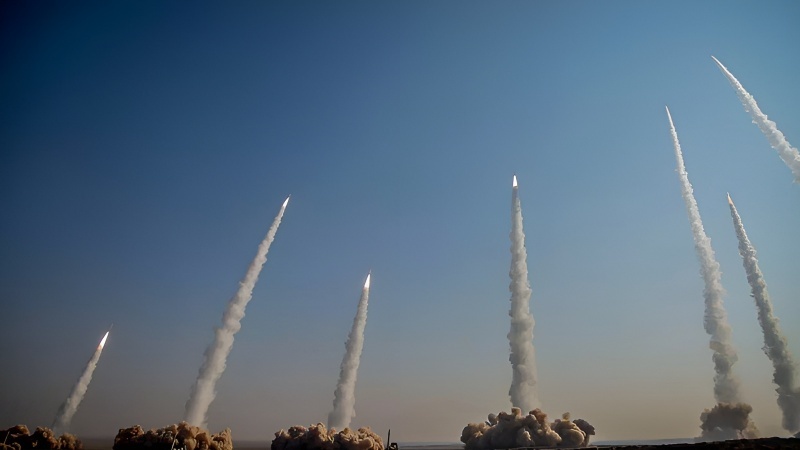
Iran’s missile power and deterrence capability
Pars Today – A U.S. media outlet assessed that broad domestic and international support for the Islamic Republic of Iran, along with its military strength, was the reason behind the U.S. president’s retreat from adventurism against Iran.
The Washington Post wrote in a report that limitations on U.S. military power prevented President Donald Trump from taking action regarding the Iran crisis. According to Pars Today, citing Mehr News Agency, the Western media outlet said about the role of Iran’s deterrent capability in dissuading Washington from action that the president and his national security advisers considered the option of attacking Iran, but retreated once the costs became clear and U.S. allies in West Asia pressed the White House to exercise restraint.
The Washington Post also wrote about the impact of Trump’s retreat on the situation of rioters and terrorists, noting that Trump’s shift away from attacking Iran left many of his advisers confused and caused Iranian opposition groups to feel abandoned.
The American newspaper, citing sources in the White House, added that Trump’s retreat on Iran reflected intense domestic and international pressure.
The Washington Post cited the limitations of the U.S. military in confronting Iran and the unpredictability of the consequences of any adventurism against the Islamic Republic as key reasons for Washington’s retreat. It added that Pentagon officials were concerned that U.S. firepower in West Asia would be below the level required to repel a major counterattack by Iran.
The American media outlet, quoting one current and one former U.S. official, wrote that Israel shared the same concern, as during the 12-day war in June it had expended a large number of its defensive missiles to intercept Iranian missiles.
The Washington Post, citing a senior Arab diplomat and an official from the Gulf countries, added that key U.S. allies—including Saudi Arabia, Qatar, and Egypt—contacted the White House, calling for restraint and diplomacy due to fears of escalating unrest in the region.
The American media outlet also noted the difficulty of Trump’s potential adventurism against Iran, stating that, according to several officials, Trump realized that an attack on Iran would be costly and complex, potentially triggering economic shocks, expanding the war, and putting 30,000 U.S. forces stationed in West Asia at risk.
The Washington Post added that the protests have also subsided, and those who took to the streets are angry with Trump and feel betrayed.
The Western media outlet, citing a knowledgeable official in the Trump administration, wrote that the president received reports from the Pentagon and intelligence agencies that led him to conclude that the costs of action against Iran would be too high.
The Washington Post further noted that the key question was whether an attack would lead to a regime change—and the clear answer was “no.”