Former Pentagon analyst speaks of Israel's humiliation in the 12-day war
-
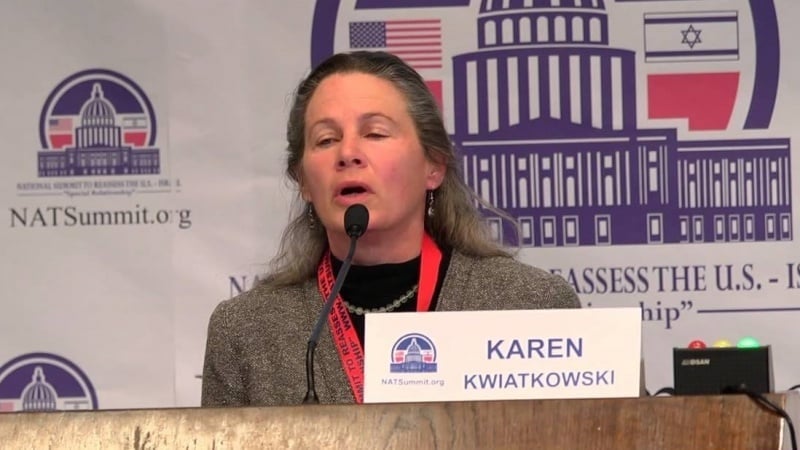
Karen Kwiatkowski, a retired US Air Force colonel and former Pentagon analyst
ParsToday - A former Pentagon analyst said that the 12-day war between Iran and Israel was accompanied by the "humiliation" of Tel Aviv, and this has led the Zionists to escalate tensions.
According to a ParsToday report citing Fars News Agency, Karen Kwiatkowski, a retired US Air Force colonel and former Pentagon analyst, announced in an interview with Sputnik on Thursday that the Israeli regime has experienced "humiliation" after the 12-day war with Iran and is therefore seeking to increase tensions against Tehran. She emphasized that Israel's demand for a complete halt to enrichment and the elimination of Iran's missile capabilities through negotiation is "clearly ridiculous."
These remarks come following the events of June; when the Israeli regime launched attacks against Iran and faced Iranian missile and drone responses; responses that targeted Israeli military and strategic bases and centers. Referring to the efforts of Israeli Prime Minister Benjamin Netanyahu to garner support from the White House, Kwiatkowski said: "Israel's demand for Iran's nuclear inability, cessation of enrichment, and the absence of ballistic missiles has been cultivated through Netanyahu's frequent trips to Washington to advance a major, destructive war."
According to the former Pentagon analyst, Tel Aviv believes the current circumstances may not repeat themselves and is therefore demanding direct US action against Iran. She also spoke of reports about the active presence of Israel in some US military institutions, including the Pentagon, and added that some individuals are likely concerned about the costs of direct US involvement on behalf of Israel and are leaking information in this regard.
In conclusion, referring to Iran's defensive capabilities, Kwiatkowski warned: "Iran's forces and leadership are well aware of the methods and styles of offensive warfare of the United States and Israel." These statements come as regional developments remain a focal point for Western political and security circles.