UN envoy says hard to hold Libya elections in December
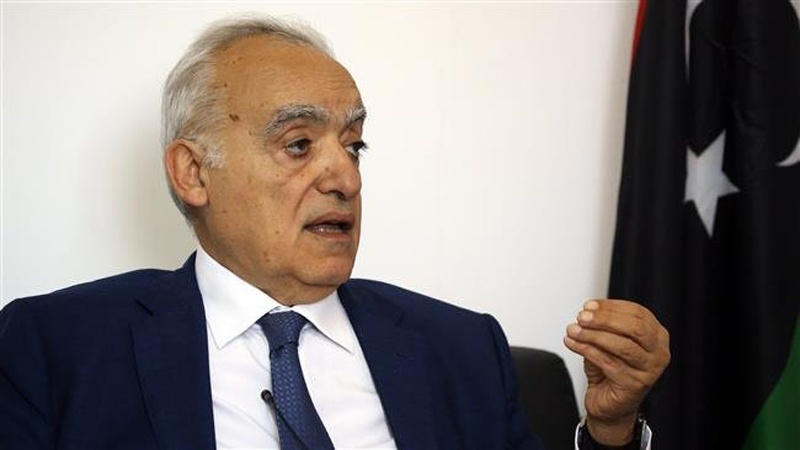
The UN envoy to Libya told AFP that it will be difficult to hold elections as hoped on December 10, following a new wave of fighting in the North African nation.
"There is still a lot to do. It may not be possible to respect the date of December 10," Ghassan Salame said in an interview.
Rival Libyan leaders agreed to a Paris-brokered deal in May to hold a nationwide election by the end of the year.
But Salame said that the polls may not be organized before three or four months.
"We can hold elections in the near future, yes. But certainly not now," he added in the interview on Saturday evening at the heavily fortified UN mission in Tripoli.
Clashes between militias in suburbs of the capital have left more than 100 people dead since late August.
Libya remains divided between the UN-backed Government of National Accord (GNA) based in Tripoli and a rival administration in the east that enjoys support from Egypt, Russia and the United Arab Emirates.
The GNA was set up under a 2015 UN-brokered deal that raised hopes of an easing of the chaos that followed the 2011 NATO-backed armed uprising which ousted Libyan dictator Muammar Gaddafi.
The Paris meeting brought together for the first time GNA head Fayez al-Sarraj and military strongman Khalifa Haftar, whose self-styled Libyan National Army dominates the country's east.
Also present were Aguila Saleh Issa, the parliament speaker based in the eastern city of Tobruk, and Khalid al-Mishri, the head of the High Council of State.
The Paris agreement set a September 16 deadline for conditions to be met for parliamentary and presidential elections to be held by the end of this year.
This was to be based on a new constitution that would have to be put to a referendum, as well as a new electoral law.
But many observers have said the timetable was overly ambitious given ongoing instability and territorial disputes across the country, along with an economy that is flagging despite Libya's vast oil wealth.
SS