-

Mysterious radio burst coming from deep space
Jun 17, 2020 13:17For the second time ever, astronomers have found a fast radio burst (FRB) that repeats on a regular, predictable cycle. This could mean that - at least in some cases - the wild unpredictability of mysterious deep-space FRBs could actually be a problem with our detection capabilities.
-
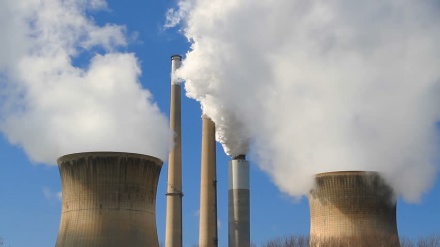
Climate worst-case scenarios may not go far enough, cloud data shows
Jun 17, 2020 13:04Worst-case global heating scenarios may need to be revised upwards in light of a better understanding of the role of clouds according to scientists. Recent modelling data suggests the climate is considerably more sensitive to carbon emissions than previously believed, and experts said the projections had the potential to be incredibly alarming, though they stressed further research would be needed to validate the new numbers.
-
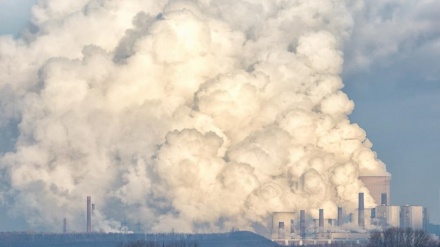
As CO2 levels hit new high, earth experiences its hottest May on record
Jun 09, 2020 14:14Last month was the warmest May on record and carbon dioxide levels also hit a new high despite the economic slowdown from COVID-19, the World Meteorological Organization (WMO) said on Friday, in an urgent appeal for Member States to renew their efforts to tackle climate threats.
-
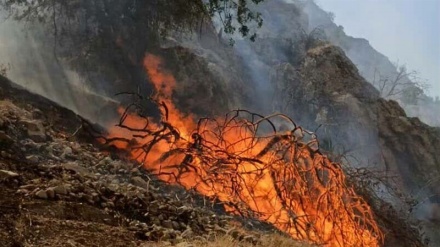
Army fighting wildfire in southwest Iran
May 29, 2020 11:51The Iranian Army Ground Force has dispatched troops to the province of Khuzestan to help extinguish a wildfire that is burning woodlands in two southwestern provinces.
-
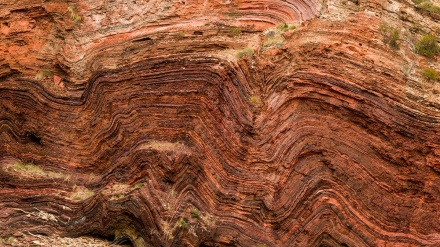
Ancient Australian rocks suggest earth's continents were shifting earlier than thought
May 27, 2020 11:05Earth's continents are constantly on the move, it's a key feature of our planet, but that wasn't always the case. While some scientists think Earth's tectonic plates began pushing and pulling only a billion years ago, others think the whole process started nearly four billion years ago, when our planet was but an infant.
-

Microplastic pollution in oceans vastly underestimated, according to new study
May 25, 2020 12:50The abundance of microplastic pollution in the oceans is likely to have been vastly underestimated, according to research that suggests there are at least double the number of particles as previously thought. Scientists trawled waters off the coasts of the UK and US and found many more particles using nets with a fine mesh size than when using coarser ones usually used to filter microplastics.
-
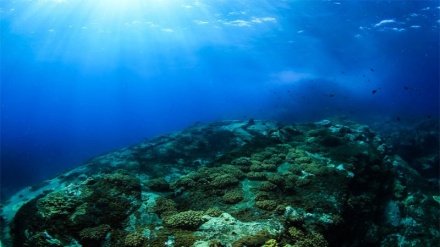
Seafloor discovery shows the ocean's undergoing a change not seen in 10,000 years
May 25, 2020 12:38New analysis of deep-sea fossils has revealed that changes in ocean circulation may have caused a shift in Atlantic Ocean ecosystems not seen for the past 10,000 years.
-

Wildfires can reduce biodiversity: Can biodiversity be used to reduce wildfires?
Apr 30, 2020 14:03According to a new analysis of 57 peer-reviewed studies looking at the link between climate change and wildfire risk, the weather conditions that led to the Australian wildfires are set to become more common. The unanimous conclusion was that “climate change increases the frequency or severity of fire-favorable weather conditions.”
-
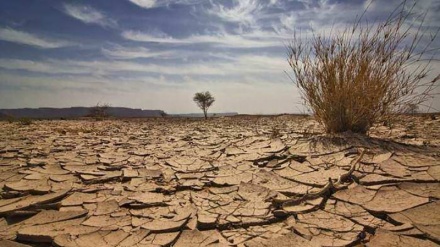
Climate change multiplies the threats of infectious diseases
Apr 21, 2020 16:08As the novel coronavirus continues to rage like a wildfire across the planet, it’s devastating toll has left many asking whether climate change — another multifaceted phenomenon with global reach — has played a part in spreading, even triggering, the pandemic.
-

Disbelief in big cities as air pollution falls
Apr 12, 2020 19:20A nationwide lockdown imposed across India almost two weeks ago to stop the spread of the coronavirus — the largest lockdown of its kind attempted anywhere — has led to widespread chaos and suffering, especially among the country’s 300 million poor. Yet in Delhi, the world’s most polluted city, it has also resulted in some of the freshest air the capital has seen in decades.