Expansion of Iran’s ties with Central Asia: A bridge toward Eurasian integration
-
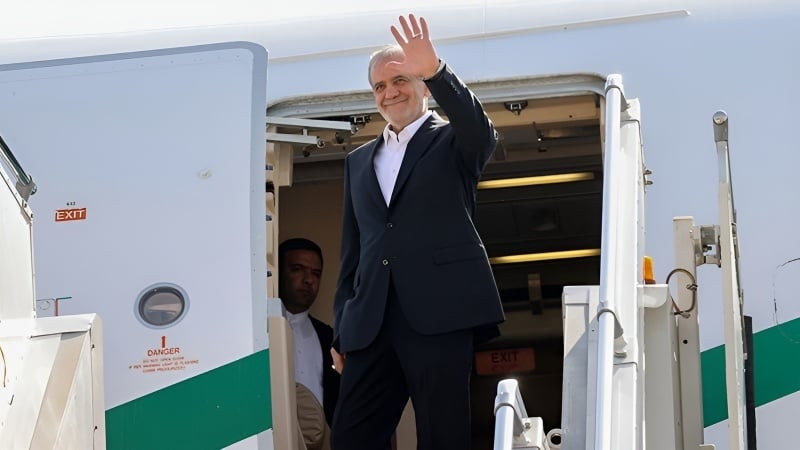
President Pezeshkian to visits Kazakhstan and Turkmenistan
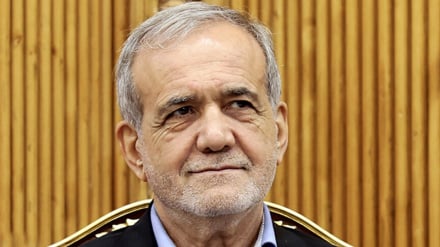
Pars Today — The President of the Islamic Republic of Iran will travel to Kazakhstan and Turkmenistan to meet and consult with officials in these two Central Asian countries.
Mohammad-Mahdi Sanaei, Political Deputy of the President’s Office, announced the two-day trip of Masoud Pezeshkian, President of the Islamic Republic of Iran, to Kazakhstan and then Turkmenistan. Sanaei wrote in a post on X that the President will travel on Wednesday, December 10, for this two-day visit to Kazakhstan and Turkmenistan.
The Political Deputy added that the President will hold official meetings with senior officials in Kazakhstan. Sanaei noted that signing documents and participating in a business forum are also included in the President’s agenda. In addition to attending the Peace and Confidence Summit in Turkmenistan, Pezeshkian will meet with various officials from the host countries.
Iran’s cooperation with Central Asian countries is significant across various dimensions, including economic and trade, political and security, cultural and social, as well as strategic areas.
Expanding Iran’s cooperation with Central Asian nations is important not only in the economic and energy sectors but also strategically, as it is essential for countering foreign interventions and strengthening regional security. Broadening relations with Central Asian countries could position Iran as a key link connecting East and West Asia.
Economically and commercially, Central Asian countries offer significant trade and export opportunities for Iran. Iran, in turn, can serve as a suitable transit route for exporting Central Asian oil and gas to the Persian Gulf and the Gulf of Oman.
Expanding Iran’s relations with Kazakhstan and Turkmenistan will also foster cooperation with other countries in the region, such as Uzbekistan and Kyrgyzstan. Iran has the capacity to develop infrastructure projects, rail and road networks, as well as agricultural and light industry initiatives with Central Asian countries.
In the political and security sphere, close cooperation between Iran, Kazakhstan, and Turkmenistan can help create a joint front to reduce foreign influence. Iran and the Central Asian countries face challenges such as terrorism, drug trafficking, and border crises. Security and intelligence collaboration provides a suitable framework to contain these threats.
In the cultural and social domain, Iran and the Central Asian countries share deep linguistic, religious, and civilizational ties, which will enhance cultural, academic, and tourism cooperation. Organizing cultural and scientific conferences and promoting the Persian language will also strengthen the connections between academic and cultural institutions in Iran and cultural organizations in Central Asia.
Iran’s active participation in the Shanghai Cooperation Organization and engagement with the Eurasian Economic Union strengthens its position in the regional dynamics of Central Asia as well as Eurasia.
The President of Iran’s trip to Kazakhstan and Turkmenistan will mark a turning point in Tehran’s relations with Central Asian countries. This visit will not only enhance bilateral relations with these two key regional states but also send a clear message of Iran’s determination to play a more active role in the geopolitical landscape of Central Asia.
Pezeshkian’s trip to Kazakhstan and Turkmenistan indicates that Iran seeks to deepen multi-layered relations with Central Asia—relations that could strengthen security, foster economic development, enhance cultural influence, and elevate Iran’s geopolitical standing in Eurasia. This visit could mark the beginning of a new phase in Iran’s relations with Central Asian countries, with effects that extend beyond the region to the entire Eurasian domain.