Intelligence warfare: Iran’s winning card against Israeli regime
-
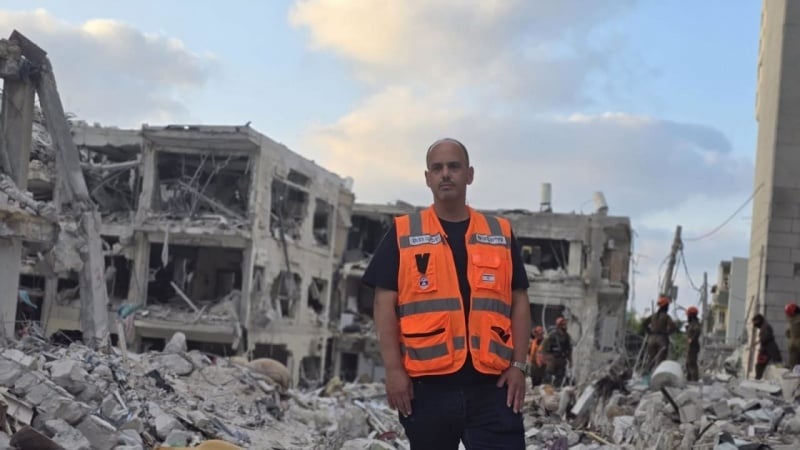
Tzafika Brot, mayor of Bat Yam
Pars Today – The mayor of Bat Yam, in central occupied territories, acknowledged the expansion of Iran’s intelligence influence.
Tzafika Brot, mayor of Bat Yam, issued an emergency statement noting that Israel’s internal security agency (Shin Bet) has reported increased Iranian efforts to expand intelligence influence. Brot warned that “the Iranians have reached Bat Yam,” a statement highlighting Tehran’s growing reach and the concern among Israeli officials over the spread of Iranian intelligence influence within the occupied territories.
The mayor of Bat Yam also claimed that in recent weeks, Shin Bet has recorded multiple instances in which Iran-linked operatives contacted citizens in the occupied territories, including reserve soldiers, students, and retirees. According to the report, Shin Bet alleged that these operatives attempted to recruit individuals through tempting financial offers or seemingly simple tasks, such as delivering packages or collecting information.
The mayor of Bat Yam also revealed that dozens of residents in the city currently have active connections with Iranian parties. His report indicates that Iran has been able to establish a network of direct contacts within the occupied territories by using simple but effective tools—such as financial incentives and seemingly harmless assignments.
This type of influence reflects Iran’s flexibility and intelligence in its operations. Instead of relying on complex methods, it exploits social and economic vulnerabilities within the target community. Engagement with diverse groups—reserve soldiers, students, retirees—demonstrates both the breadth of Iran’s reach and its ability to recruit individuals from various segments of society in the occupied territories.
The acknowledgment by Israeli officials of Iran’s presence in the heart of the occupied territories also highlights Iran’s intelligence superiority over Israel. This capability could allow Iran to gather proactive intelligence against Israeli plots and plan countermeasures. The mayor of Bat Yam’s admission that dozens of residents have connections with Iranian parties further points to a serious security gap within the internal structure of the occupied territories.
Iran’s intelligence influence carries not only security implications but also psychological and deterrent effects, as instilling fear among Israeli officials itself serves as a tool of power. Iran’s intelligence presence in the occupied territories is not only an operational success but also a strategic victory. This influence has placed Israel on the defensive and demonstrates that, despite Tel Aviv’s security claims, the regime remains vulnerable to Iran’s information warfare.
During the 12-day war, Iran was able to surprise Israel by leveraging its intelligence and operational capabilities. These abilities included the precise identification of strategic targets, the use of hybrid warfare, and the application of psychological and security pressure on the regime.
The 12-day war was a multifaceted, hybrid conflict in which Iran simultaneously employed military, intelligence, media, and psychological tools. The scope of Iran’s operations prevented Israel from effectively responding and exposed its security vulnerabilities.
Iran’s intelligence influence in the occupied territories is considered a strategic victory, highlighting the country’s superiority in the intelligence arena over Israel and its Western allies.
In recent years, Israel has extensively benefited from comprehensive support from the U.S. and the West. However, the 12-day war and the developments that followed revealed that Iran’s intelligence capabilities and influence extend beyond the calculations of Tel Aviv and Israel’s Western allies.