Capitalist system’s instrumental use of women
-
The capitalist system’s use of women’s labor to maximize profit
Pars Today — The capitalist system has consistently exploited women as tools to maximize profit.
According to Pars Today, as one of the most important economic and social structures of the modern world, the capitalist system has always sought to increase profit and accumulate capital. In this process, women have been widely used as instruments, with their roles defined not based on human rights or equal social status, but according to the functions that can generate greater profits for capitalists. Analysis of this issue shows that capitalism, by utilizing women in various spheres—from cheap labor to consumerism and advertising—has sought to consolidate its dominance and maximize profitability.
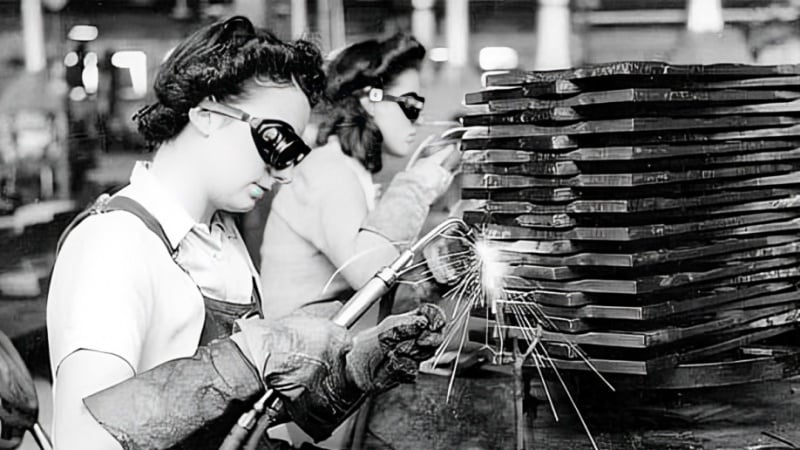
One of the earliest arenas in which women have been instrumentally used under the capitalist system is the labor market. In many capitalist societies, women are employed as a cheaper workforce compared to men. This not only reduces production costs for employers but also allows for greater exploitation of labor. In numerous industries—particularly clothing, service sectors, and domestic work—women work under lower wages and harsher conditions. By creating this wage gap between men and women, capitalism effectively uses gender inequality as a tool to increase profit.
In addition to the labor market, the capitalist system also exploits women as tools for advertising and marketing. Women are often portrayed in commercial advertisements in a stereotypical and sexualized manner to increase the appeal of products and services. This instrumental use not only degrades women’s status but also turns them into tools for stimulating consumerism. By utilizing women’s bodies and images, capitalism seeks to strengthen the desire to buy and consume in society, thereby generating greater profits. In this structure, women are seen not as independent human beings, but as instruments for selling goods and services.
On the other hand, capitalism, by promoting a consumer culture, has made women one of the most important target groups in the market. Many products and services—particularly in fashion, beauty, and lifestyle—are specifically designed and advertised for women. This places social and cultural pressure on women to constantly seek and purchase new goods. By exploiting these pressures, capitalism reinforces the cycle of consumption and increases its profits. In this process, women are used not only as consumers but also as subjects for whom new needs must continually be created.
From a cultural and social perspective, capitalism defines women’s roles in ways that maximize profit for the system by reproducing gender stereotypes. Media and cultural industries under capitalist dominance portray women either as obedient, low-cost labor or as tools to stimulate consumerism. This cultural reproduction reinforces gender inequalities and perpetuates the instrumental use of women.
All of these examples show that capitalism is not only indifferent to gender equality but also exploits inequality as a tool to increase profit. This situation highlights the necessity of serious critique and resistance against capitalist structures, as only through fundamental change in the system can women achieve their true and human status.
In conclusion, women under the capitalist system are used more as tools for generating profit than as independent human beings with equal rights. This approach not only perpetuates gender inequalities but also undermines women’s human dignity. Therefore, critiquing and challenging this instrumental use of women is an inseparable part of the struggle for social justice and the protection of women’s true dignity and identity.