EU, Afghanistan strike deal to stem refugee crisis
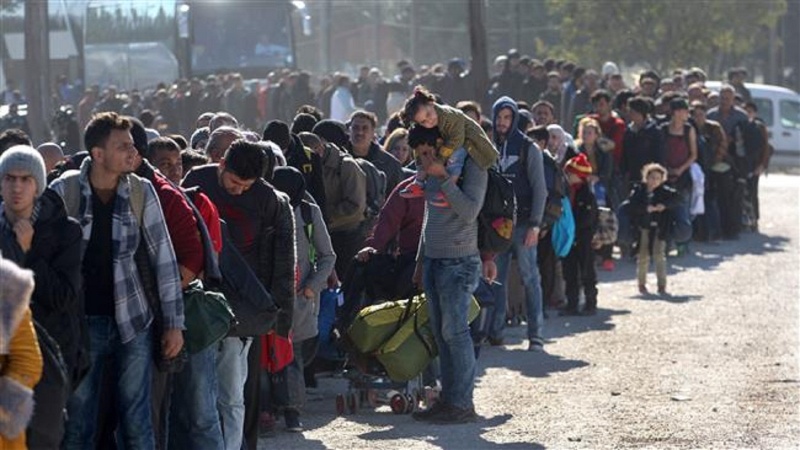
The EU has struck a tentative deal with Afghanistan to take back thousands of refugees ahead of a major international donors' conference aimed at securing international financial aid for the war-ravaged country.
European Commission spokeswoman, Maja Kocijancic, told a news briefing in Brussels on Monday that there would be further "intense" work to implement the arrangement over the next few days.
"The European Union and Afghanistan reached an important political arrangement yesterday, the so-called Joint Way Forward on migration issues," she said.
Meanwhile, the European Council has said that the deal reflects the commitment of both sides "to step up their cooperation on addressing and preventing irregular migration, and on the return of irregular migrants, who do not fulfill the conditions for staying in the EU."
EU member states last Thursday endorsed the plan to pave the way for signing the deal in the run-up to the Brussels aid conference which will formally kick off Wednesday. Among those attending the aid conference will be UN Secretary General Ban Ki-moon, US Secretary of State John Kerry, Afghan President Ashraf Ghani and EU President Donald Tusk.
Senior European Union officials have denied that aid pledges would depend on the Kabul government accepting the return of thousands of Afghans from an overstretched Europe.
In March, a leaked EU memo suggested that financial pledges would be made in return for Afghanistan accepting 80,000 refugees and asylum seekers deported from EU countries.
Kocijancic on Monday declined to comment on the memo. She, however, said EU work to implement the deal will respect international standards.
Reacting to the deal, Britain-based international rights group Amnesty International in statement called on the EU to respect its obligations with regard to genuine refugees.
"It would be inadmissible that any agreement forged in Brussels makes financial assistance for Afghanistan conditional on the Afghan government's cooperation to accept the readmission and return of asylum seekers," Amnesty's Horia Mosadiq said in a statement.
Like other parties to international treaties, the EU is legally obliged to admit people fleeing war and persecution. However, it can turn back people classified as economic migrants.
SS