Trump’s dangerous obsession with the markets
Apr 20, 2019 11:58 UTC
From Day 1 in the Oval Office, US President Donald Trump has shown a unique obsession with the financial markets, tweeting that high stock prices proved he was making America great again.
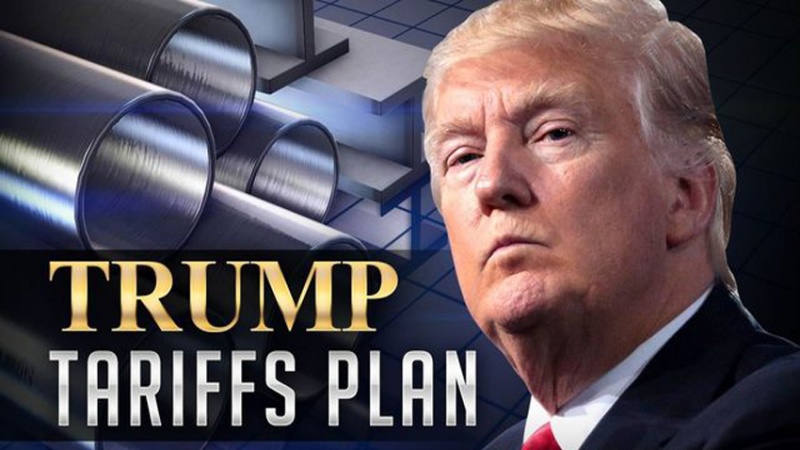
But a new chapter opened in October, when the markets dropped sharply, and Donald Trump began making critical presidential decisions with an eye to pushing stock prices back up. As soon as the markets turned downward, Trump softened his hard line on Chinese trade practices, trying to quiet market fears that his tariff threats against Beijing would start a global trade war. Then he started attacking the United States Federal Reserve, saying its interest rate policies were undermining stock prices, and followed with rants about firing the chairman of the Fed, Jerome Powell.
For Donald Trump to base serious decisions about trade, monetary policy and immigration on market mood swings ensures that the zany uncertainty of his tenure will continue to reach new heights. Trump’s sudden moderation on China was particularly striking because, in an otherwise mercurial career, he had remained consistent on trade. Going back to the 1980s, Trump has been accusing Asian competitors in particular of using unfair trade deals to steal America’s lunch. Yet when the markets fell on fear of a United States-China trade war, Trump began to retreat. After taking office, his tweets on China attacked it for militarism, currency manipulation and unfair trade practices right up until the markets dropped in October. Trump’s first conciliatory tweet came on Nov. 1, describing a pleasant chat about trade with President Xi Jinping, and he has been talking up their “incredible relationship” and progress in trade talks since. By last month, amid reports that Trump advisers were calculating how big of a “stock market pop” they could expect from a trade deal, Washington insiders from both parties were worrying aloud that the president might accept any deal China would sign. Trump, meanwhile, was executing a similar about-face on the Fed. As a candidate, he had attacked the central bank for keeping rates so low and inflating “a big fat ugly bubble” in the markets. Once he took office, Trump stopped tweeting attacks on the Fed, until November, when he began to blame the central bank for dampening market spirits with high interest rates. In recent weeks, Trump has not only fulminated about replacing Powell, he has also started considering market-friendly loyalists for seats on the Fed board of governors.
Advertisement
Trump’s most recent market-driven U-turn appears to have come on immigration, another subject near and dear to him. So far, the stock markets have not reacted negatively to his aggressive efforts to secure funding for a border wall, including the government shutdown and the declaration of a national emergency. In the meantime, Jimmy Carter, Ronald Reagan and both Bushes mentioned the stock markets rarely and cautiously. Bill Clinton counseled against responding to their gyrations. In early 2009, Barack Obama suggested it was a good time to buy battered American stocks and was proved right when the markets hit bottom a week later. But Obama was criticized for acting as “stock picker in chief” and did not talk about stock prices again as president.
Trump is not only reading the markets as a daily measure of his success, he is also shaping policy to keep prices high. And recent market rises have rewarded him for it. After Trump turned conciliatory on China, the Fed announced it was suspending further rate increases, and stocks began climbing back toward record highs.
So who’s in charge: US President, Donald Trump or the markets? One critical test is the United States-China trade talks, which are set to wrap up soon in a meeting between Mr. Trump and Mr. Xi. Even then, US President Donald Trump’s willingness to bend policy to please the markets is now clear — and it’s risky. In recent years the stock markets have grown larger than the economy, and they are now big enough to take the economy down with them when they deflate. Policymakers are wary of poking this beast, but feeding it will only make the markets larger and more demanding.
(By Ruchir Sharma, a contributing opinion writer for The New York Times)
AJ/EA
Tags