Find out more about the Islamic Revolution (14)
Jan 19, 2019 07:08 UTC
Welcome to this week's episode of the series "Find out more about the Islamic Revolution". Today, we study the views of Iranian researcher, Ms. Leili Eshghi, on Iran's Islamic Revolution.
Ms. Leili Eshghi is an Iranian researcher, who resides in France. She has been deeply influenced by Iran's Islamic Revolution. This researcher is a member of the International Philosophy Association, and has received a degree in cultural sociology from Sorbonne University. She has penned her signature book in French language, based on the influence of Islamic Revolution on her. The related book has also been translated into Farsi language.
Her signature book elaborates on Iran's Islamic Revolution within a mystical framework. She has clearly stated that she intends to analyze Iran's Islamic Revolution based on a subjective outlook.
She notes that in her signature book, she has explained the story of Iran's Islamic Revolution for others, mainly Westerners, in accordance with a revolutionary language.
She has analyzed different aspects of Iran's Islamic Revolution in her signature book, and in order to elaborate the mentality and subjectivity of revolutionaries, she has taken into consideration the Shia political culture. She has spoken of the victory of Islamic Revolution based on the viewpoint of Iranians about Imamate, and Velayat. She strongly believes that Shiasm is tied to the spirit of Iranian culture and reminds that Iranians have never been against Shia School of Thought.
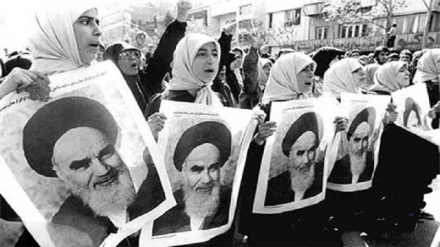
She also points out that the Father of Islamic Revolution, late Imam Khomeini (God's mercy upon him) awakened Shias.
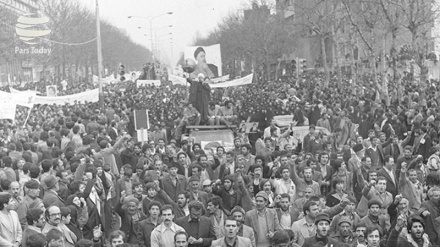
Referring to the demise of the Father of Islamic Revolution and his massive funeral procession, this Iranian researcher underlines that late Imam's memorable funeral procession, within which millions of mourners attended, once again proved that Iran's Islamic Revolution has been a major event.
This Iranian author also clearly points out the influence of the uprising and martyrdom of the Third Infallible Imam of Prophet of Islam's Household, Imam Hussein (AS) and his 72 steadfast companions by Yazid's ungodly troops in Karbala in the year 61 AH, on Iran's Islamic Revolution. She underlines that there is a solid bond between Iran's Islamic Revolution, and the uprising of Imam Hussein (AS), and his 72 steadfast companions in Karbala. She writes that Iran's Islamic Revolution is filled with religious manifestations and fundamental symbols of Shiasm; the most important of which is Karbala uprising.
She adds that the Iranian people's steadfastness against Shah's despotic regime was rooted in the messages conveyed by Karbala uprising; one of which was to stand up against injustices. The former Iranian dictator, Shah, had trampled upon Iranian people's identity, and everyone sought liberation from the yoke of Pahlavi dictatorial regime, and attainment of martyrdom.
In another part of her writings, this Iranian researcher underlines that the former Iranian dictator, Shah, had lost his Iranian identity, and had sold himself to Western Imperialism. He had sent Iranians into exile in their own home country. The Iranian people wanted to return to their true identity and to liberate themselves from the yoke of the Western regimes.
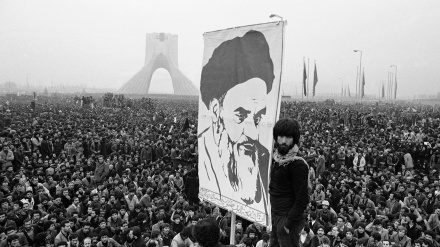
This Iranian researcher also refers to Iranian people's role in the emergence and culmination of Iran's Islamic Revolution, and believes that the Iranian nation's courage originated from the Karbala uprising of Imam Hussein (AS) and his 72 steadfast companions. She points out that the secret behind the victory of Iran's Islamic Revolution was the presence of the entire Iranian nation in the Islamic Revolution under the prudent leadership of the Father of Islamic Revolution, late Imam Khomeini (God's mercy upon him).
This author also believes that Iran's Islamic Revolution belongs to the entire Iranian nation. She reminds that the 8-year war imposed by Saddam's regime on the Iranian nation, and the Iranian people's indomitable resolve in their confrontation against the former Iraqi regime's troops, displayed the national aspect of Iran's Islamic Revolution.
MR/MG
Tags