Waterborne diseases threatening children in Damascus: UN
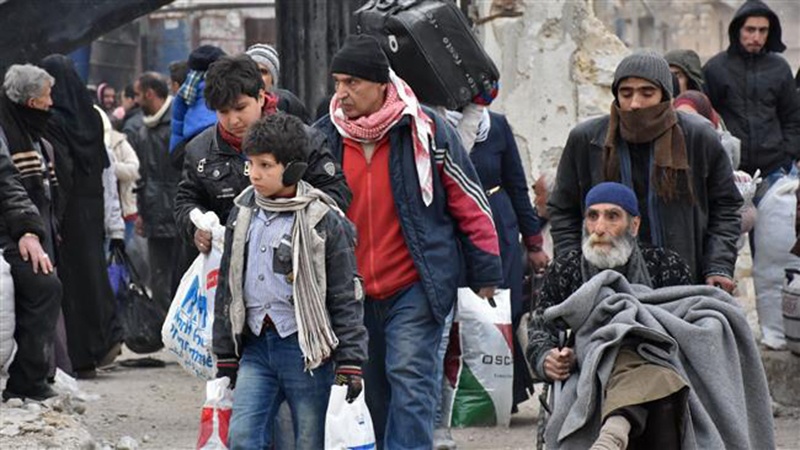
The United Nations has warned that water shortage poses a serious threat to children in the Syrian capital of Damascus where 5.5 million residents have been scrambling for clean water for nearly two weeks amid acts of sabotage by foreign-backed militants.
“There is a major concern about the risk of waterborne diseases among children,” the spokesman for the United Nations Children's Fund (UNICEF), Christophe Boulierac, said on Friday, Press TV reported.
He added that children in Damascus were going through many hardships to collect water for their families.
“A UNICEF team that visited Damascus yesterday said that most children they met walk at least half an hour to the nearest mosque or public water point to collect water. It takes children up to two hours waiting in line to fetch water amid freezing temperatures," the UN official said.
The head of the UN-backed humanitarian task force for Syria, Jan Egeland, told reporters in the Swiss city of Geneva on Thursday that just in December “5.5 million people have had their water supplies cut or minimized.”
He stressed that "to sabotage and deny water is of course a war crime," warning that civilians "will be affected by waterborne diseases" if clean water supply is not restored.
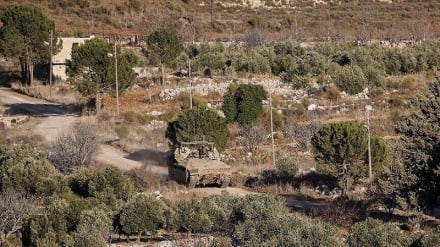
Water supplies from the militant-held area of Wadi Barada near Damascus have been severed since December 22, when Syrian army soldiers and fighters from popular defense groups launched a major offensive to recapture it after terrorists refused to surrender and leave the mountainous area near the Lebanese border.
The Takfiri terrorists had also earlier contaminated Damascus's drinking water supply with diesel. The water authority had to cut supply to Damascus and resort to using water reserves after extremists polluted the Ain al-Fijah spring in the valley.
The Barada River and Ain al-Fijah spring reportedly supply 70 percent of the water for Damascus and its environs.
SS