At least 80 people killed in Kabul's explosion

Afghanistan’s Health Ministry says at least 80people were killed and 231 others wounded in a powerful bomb blast in the capital Kabul.
The blast was carried out at the Deh Mazang Square, where thousands of Shia Muslim protestors of the Hazara ethnic group had gathered from early morning in protest against a controversial power line project.
The Daesh Takfiri terrorists claimed responsibility for the bombing.
According to police, one of the attackers successfully detonated his explosive, while the second one only managed to defectively explode himself. A third assailant was shot dead by security forces before he could detonate his vest.
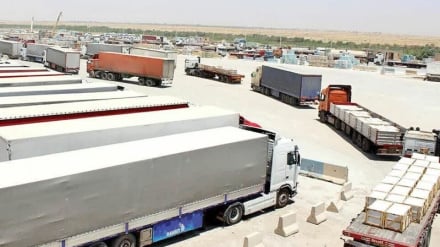
The scene of the blast was littered with charred bodies and dismembered limbs, with ambulances struggling to reach the scene as authorities had overnight blocked key intersections with stacked shipping containers to impede movement of the protesters.
"At least 20 people have been killed and another 160 others wounded, but these are initial figures from our hospitals and could change," Health Ministry spokesman Mohammad Ismail Kawoosi told AFP earlier.
Thousands of demonstrators had gathered to demand that a multi-million-dollar power line pass through their electricity-starved province of Bamiyan.
"The horrific attack on a group of peaceful protestors in Kabul demonstrates the utter disregard that armed groups have for human life," Amnesty International said in a statement.
In a statement, Afghan President Ashraf Ghani said he was "deeply saddened" by the carnage, adding that the casualties included security officials.
"Peaceful protest is the right of every citizen, but opportunist terrorists infiltrated the crowds and carried out the attack, killing and injuring a number of citizens including some security forces."
The demonstrators were chanting “Justice” and “Death to discrimination” during the protest.
The power line project, which is scheduled to be implemented by 2018, would see the establishment of a 500-kilovolt transmission line from Turkmenistan to Kabul.
Originally, the line was to pass through the impoverished provinces of Bamyan and Wardak, which host large Hazara populations. However, it was later rerouted, with the government alleging that the redesigned course cut costs.
SS